For eventers, performance and partnership go hand in hand. Every polished dressage test or clear round on cross-country is built on one fundamental question: is the horse truly happy and willing? Welfare is about more than feed, fitness, or shiny tack – it’s about mindset, learning, and the environment we create for our horses every day. A willing, relaxed horse is not just safer and easier to ride; they are more trainable, confident, and able to reach their full potential.
To foster a willing learner, we must first understand how horses learn. Equine learning theory, grounded in science, provides a welfare-friendly framework for training. It emphasises timing, consistency, and clarity. A key principle is negative reinforcement– not punishment, but the removal of pressure once the correct response is offered. Elite riders use this intuitively: they apply an aid, wait for the desired response, and then immediately release. Done correctly, this builds confidence, clarity, and responsiveness without the need for harsher equipment or stronger aids.
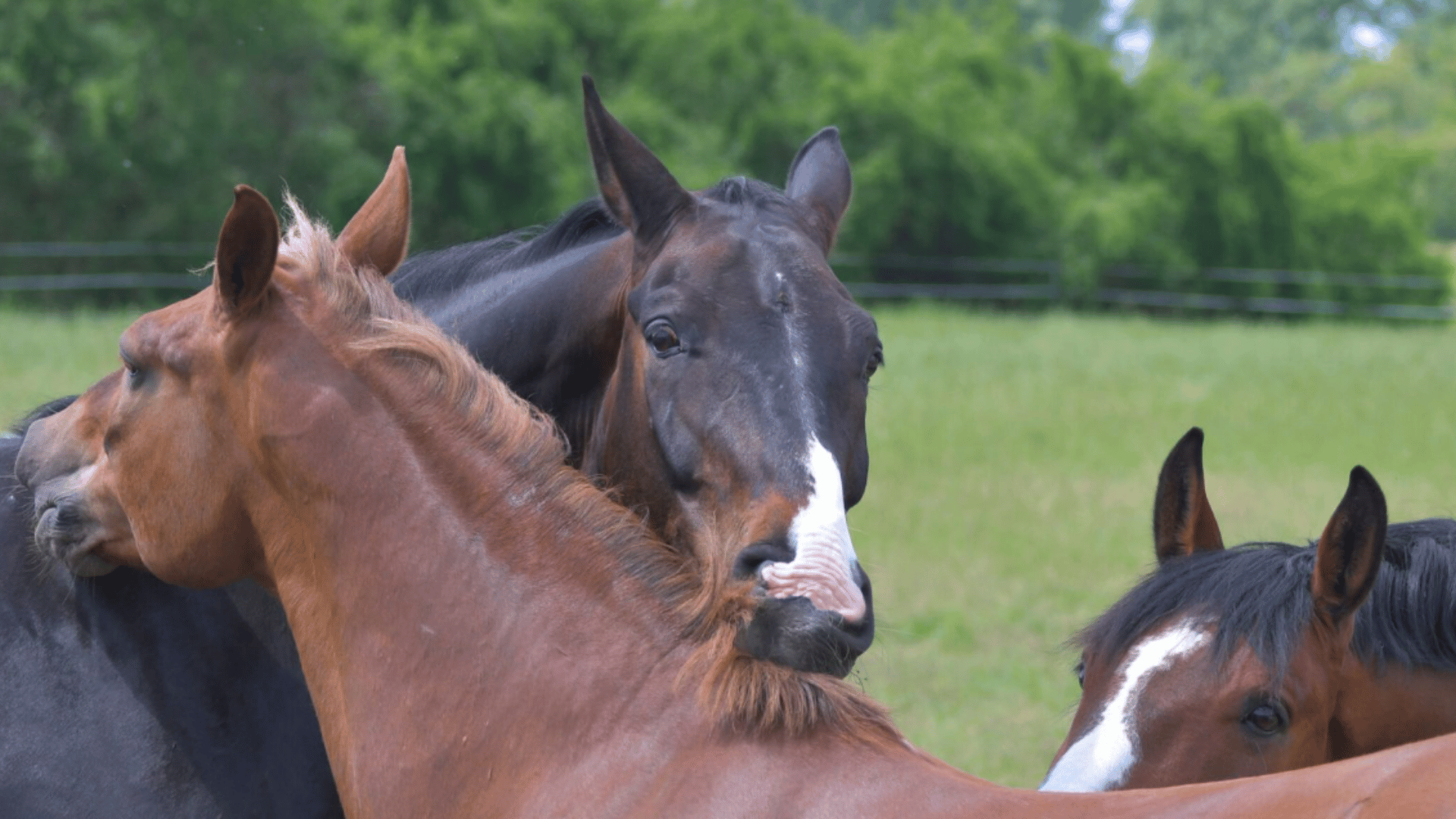
Relaxation is critical. A horse can only learn effectively when their arousal levels are low. Something as simple as a neck scratch can trigger relaxation by mimicking mutual grooming, promoting a calm state of mind. Fulfilling the ‘Three Fs’ – friends, forage, and freedom – also supports emotional and physical health. Horses allowed time to graze, interact, and move freely are happier, healthier, and more responsive under saddle.
Sleep is often overlooked but is vital for wellbeing. Horses need around 3–4 hours of rest daily, including 40–60 minutes of REM sleep lying down. Lack of REM sleep has been linked to irritability, poor behaviour, and performance issues. Ensuring a horse feels secure enough to lie down, through a larger stable, soft bedding, or a nearby companion, can make a significant difference.
Competition settings often make it difficult to replicate turnout or herd dynamics, but meaningful choices can still be made. Hand grazing, pairing horses over stable doors, or double boxing can help horses feel socially connected. Avoid humanising emotions; instead, focus on understanding the horse’s true needs.
Welfare is lifelong. Early experiences, such as abrupt weaning before seven months, are associated with increased stereotypies and reduced cognitive resilience. These horses may struggle with problem-solving and social interactions later in life.
Small adjustments in daily management – relaxation techniques, social contact, adequate rest, and understanding learning theory – can unlock better performance, safety, and long-term happiness. Ask yourself: is your horse comfortable, understood, and set up for success across all 24 hours of their day?
BE Prepared Checklist – Willing Learner:
✅ Apply clear, consistent timing in training with negative reinforcement
✅ Promote relaxation through grooming, neck scratches, and calm handling
✅ Ensure access to friends, forage, and freedom where possible
✅ Provide safe opportunities for REM sleep (lying down)
✅ Replicate social connections during travel or competitions
✅ Reflect on early-life experiences when assessing behaviour
✅ Monitor comfort and emotional wellbeing daily
To learn more about preparing for competition, getting the most our of your training and ensuring horse welfare, whether your discipline is eventing or not, head to the BE Prepared website!
Brad Hill is an equine vet who has spent most of his career in first opinion practice before joining the equine teaching team at Nottingham Vet School. During his time in practice, he realised the importance of understanding equine behaviour coupled with horse handling and restraint. He has embedded the teaching of equine behaviour including equine learning theory into the curriculum at Nottingham and continues to champion a greater understanding of positive equine welfare in the wider equine industry. He has published research, notably looking at weaning and what the effect of weaning related stress may have on the emotional health of horses.