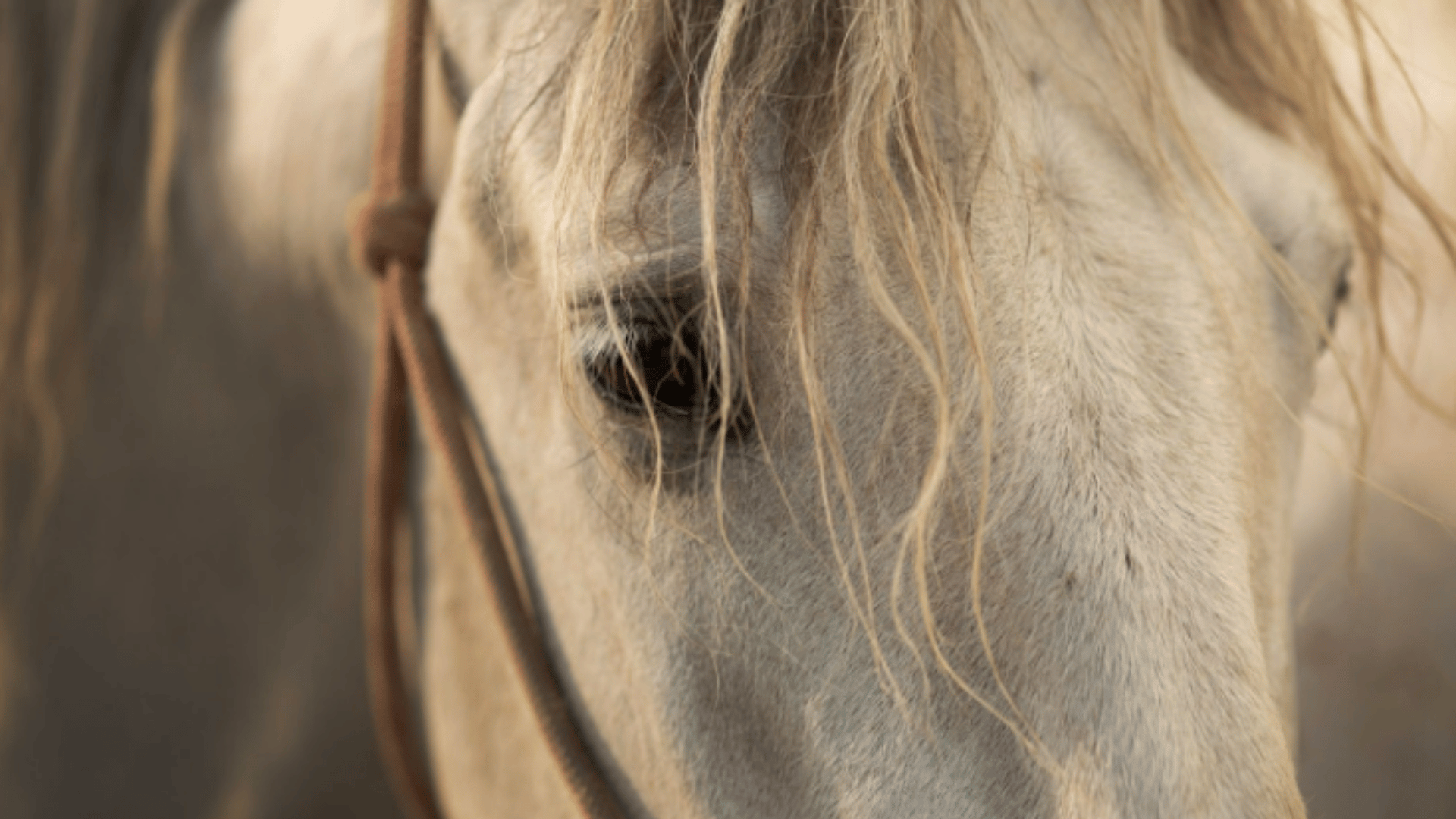
Caring for older horses: Everything you need to know
Horses are incredible companions, and with proper care, they can stay by your side for well over thirty years. As they age, however, they require extra attention to maintain their health, happiness, and comfort.
This guide will take you through everything you need to know about caring for older horses, equipping you to provide them with the best support throughout their golden years. We’ll cover the following:
- How old do horses live to be?
- Understanding your horse’s age
- Nutrition for older horses
- Changes in teeth
- Adjusting the diet
- Exercising older horses
- Grooming and coat care
- Special coat care
- Hoof care
- Veterinary care

How old do horses live to be?
Horses typically live between 25 and 30 years, though some can reach their forties with proper care and attention. In fact, the UK’s oldest horse, Roana, recently celebrated her 46th birthday!
The quality of care your horse receives as they age plays a vital role in their overall health and longevity. Just because they are considered an “old” horse doesn’t mean they can’t have an excellent quality of life — many horses continue to thrive well into their thirties and even their forties with the right care.
Understanding your horse’s age
Before diving into specific care recommendations for older horses, it’s important to understand what defines an “older” horse. Horses are generally considered seniors when they reach 15 to 20 years old, although this can vary depending on your horse’s individual health. Your horse might show signs of ageing earlier or later than this, so it’s crucial to monitor their health closely. Tailoring their care to their specific needs, with early intervention when necessary, can significantly improve their quality of life during their senior years.
Signs of ageing in horses might look like:
- Greying of the coat around the face and ears
- Slower and stiffer movements
- Loss of strength
- Loss of muscle mass, which can look like a “hollowing” of the back
- Cataracts and hearing loss
- Developing arthritis
Nutrition for older horses
As horses age, their nutritional needs can change. Old horses often experience changes in their teeth, digestion, and metabolism, all affecting how they process food. Monitor your horse for these changes and adjust their diet accordingly.
Changes in teeth
As horses age, their teeth may wear down, making it harder for them to chew effectively. This can lead to weight loss, poor digestion, and a decreased quality of life. You can ensure they continue to get enough nutrition by taking the following steps:
- Frequent dental check-ups: Regular visits to an equine dentist can help address any dental issues, often by floating (filing down sharp points on teeth) or removing decayed teeth.
- Provide softer feeds: Older horses may benefit from soaked hay or pelleted feeds that are easier to chew. You can also mix forage with water to create a mash that’s more digestible.
- Ensure access to fresh water: Dehydration can exacerbate digestive issues, so ensure your horse always has access to clean water.
Adjusting the diet
Loss of appetite in older horses is common, so it’s a good idea to fat score them from time to time to determine if they are a healthy weight. For a step by step guide to how this should be done, have a look at our body condition scoring guide.
Here’s what to feel an old horse losing weight:
- High-quality forage: Senior horses often need more fibre to aid digestion. Provide good-quality hay and consider supplementing with alfalfa hay or hay cubes. If your horse is in pasture, it’s a good idea to provide more forage in the autumn when the grass is slower growing.
- Supplements: High-fat supplements containing flaxseed or vegetable oils can be beneficial to help boost your horse’s calorie intake. Additionally, you might want to consider supplements for joint health.
Rugging is advisable for older horses when the weather turns colder. This is particularly important for horses struggling to keep weight on, as they feel the cold more.
Exercising older horses
While older horses may not be able to perform strenuous work like they did in their younger years, they still require regular exercise to stay fit, prevent muscle atrophy, and keep their mind sharp.
The following forms of exercise can help keep an old horse agile and healthy:
- Daily turnout: Allow your horse to roam freely in a paddock or pasture. This helps maintain muscle tone by providing natural movement, while providing the mental stimulation that comes with browsing and foraging for food.
- Light riding or driving: Gentle rides at a walk or trotting pace can help keep a horse active. Be mindful of their physical limitations, and consult with your vet to ensure the exercises are appropriate.
- Groundwork and mental challenges: Horses of all ages need mental stimulation. Engage your senior horse in gentle groundwork, offering new challenges or teaching them simple tricks. Use safe toys or treat puzzles to keep them engaged. For more ideas, take a look at our horse enrichment guide.
Grooming and coat care
A good grooming routine is essential for any horse. Senior horses can benefit from extra attention, especially those with health issues.
An old horse might be more sensitive to grooming due to aches and pains, as well as their skin becoming thinner. To help them feel more at ease, always groom in a calm, quiet area, and make sure they are warm enough before you begin.
Here’s how you can adjust a grooming routine for an old horse:
- Brushing: Older horses can sometimes develop duller coats, so regular gentle brushing can help provide a nice shine.
- Skin health checks: As horses age, they may develop conditions like rain rot or fungal infections more frequently. During grooming, check their skin for any signs of irritation, cuts, or infection, and treat them promptly.
- Hot clothing: Older horses can be more sensitive to temperature. During the colder months, use hot clothing to remove sweat and grime from your older horse’s coat. This method can help relax muscles and give the coat a shiny finish. Just make sure the water is not too hot and that the cloths are nice and soft. Read our guide to hot clothing horses for in-depth guidance.
- Gentle hydration: Dry skin and dandruff are more common in senior horses. Watch out for any products that might be drying out or irritating the skin. A gentle oil like coconut oil is a great hydrator.
Special coat care
Some older horses may begin to grow thicker coats, especially if they have mobility or metabolic issues. Be sure to:
- Clip as needed: If your older horse has a thick coat and is struggling to shed it, you may want to clip them to avoid overheating, especially in the warmer months.
- Use coat conditioners: You can use specific products designed to help remedy dryness and thinning issues and maintain a healthy, glossy coat.
Hoof care
Hoof care is especially important for older horses, as they may become more prone to hoof problems like cracking, thrush, or laminitis. Keep an eye out for any changes in their gait or signs of discomfort, as early intervention can prevent more serious issues from developing.
Trim your horse’s hooves every 6–8 weeks to ensure they remain healthy and properly aligned. It’s also advisable to pick the hooves daily. Older horses may also benefit from hoof supplements or special shoes to provide extra support and cushioning.
Regular checks by a farrier — along with a clean, dry environment — are key to maintaining strong, healthy hooves in their senior years.
Veterinary care
Frequent vet visits become even more important as horses age. Preventative care, such as regular check-ups, blood work, and vaccinations, can help detect potential health problems early.
Arthritis, cataracts, melanomas and Cushing’s disease are all more common in old horses, so be sure to contact your vet if you notice any signs of ill health. It’s also worth speaking to your vet about specialised worming advice for your senior horse. Older horses have a reduced immune response, meaning they’re more likely to suffer from these parasites.
Caring for older horses requires a thoughtful approach to their changing physical, nutritional, and emotional needs. By ensuring they receive the proper nutrition, gentle exercise, regular veterinary care, and lots of love and attention, you can help your senior horse live comfortably and happily for the rest of their days.
For more equine care tips, including vetting, horse riding, horse hacking, and more, take a look at our advice hub. Or, subscribe to H&C+ today for all the latest sports coverage, training videos, and exclusive shows.