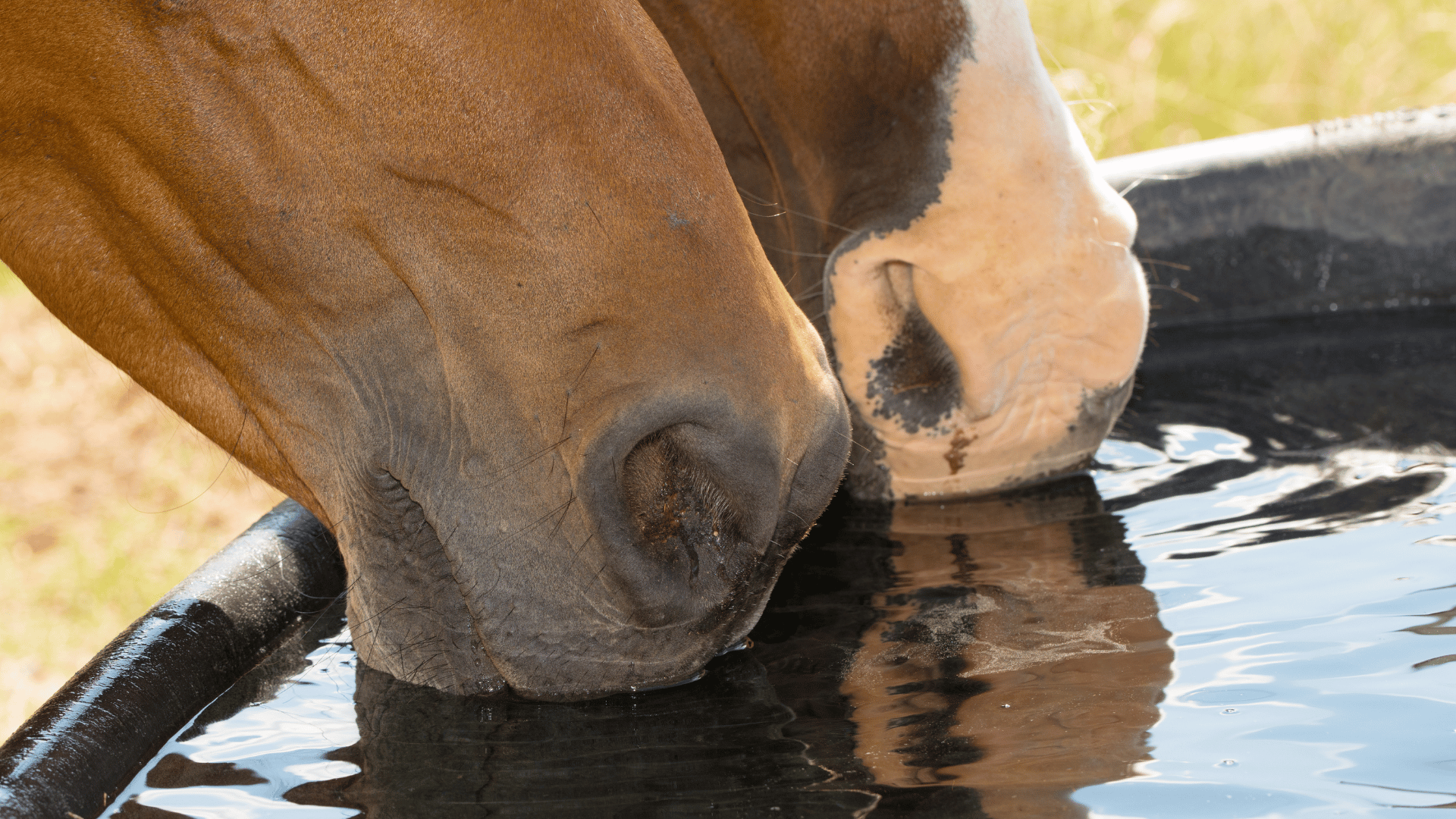
As the weather heats up and training sessions become sweatier, it becomes even more important to carefully monitor your horse’s hydration — after all, it’s a vital component of their health and happiness. Whether your horse is regularly competing or enjoys leisurely hacks through the countryside, keeping them well-hydrated is essential. Dehydration not only affects performance but can also poses serious health risks.
In this article, we’ll explore why hydration matters and provide some practical tips to keep your horses cool, comfortable, and hydrated all year round.
Water Is Life
This is not just a fundamental truth for horses but all living beings. The horse’s body is made up of approximately 65% water and for foals, it’s even higher, about 80%. This vital fluid supports everything from digestion and nutrient transport to temperature regulation and cellular function.
Unlike humans, horses rely heavily on their gut to store water. The hindgut acts as a reservoir which helps buffer against dehydration. However, when water intake falls short, it can impact their gut health and motility, increasing the risk of colic. Dehydration can also reduce blood volume, impacting circulation and muscle function, which can dramatically hamper your horse’s performance, stamina, and recovery.
Is Your Horse Drinking Enough? Signs to Watch For
It’s not always easy to tell if your horse is properly hydrated. The classic skin pinch test, where you gently pull the skin to see if it snaps back quickly, is not a reliable tool. Instead, keep an eye out for other clues, such as:
- Dark or reduced urine output: Healthy horses usually produce pale, clear urine.
- Lethargy or a “flat” attitude: If your usually energetic horse seems sluggish, it might be a hydration issue.
- Dry, tacky gums: Check inside the mouth for moisture.
- Dull eyes: Bright, clear eyes usually reflect good health.
If you’re concerned about dehydration, especially in extreme heat or after intense exercise, don’t hesitate to give your vet a call.
How Much Water Does a Horse Need?
The amount of water a horse drinks can vary greatly, between 20 to 30 litres of water per day may be typical, but this varies depending on factors like workload, weather, diet, and the water content in their feed. Horses living out on lush, rain soaked grass, or those eating soaked hay may drink less. Get to know what’s normal for your horse and provide extra during hot weather, on long journeys, or throughout periods of heavy exercise when water requirements may significantly increase. Be mindful of horses living in during winter on dry forage, they may well require more. If you have a horse with PPID who is slow to shed their coat they may also sweat more and have a need for electrolyte supplementation (see below).
Clean, fresh water should always be available—before and after work and for endurance horses, during rides. Some horses can be particular about the water temperature or source. Offering slightly warm water during colder months can encourage drinking, especially in older horses with sensitive teeth. Some don’t like drinking water which has been sat in a bowser (especially in warmer weather) for a few days.
Top Tips to Keep Your Horse Hydrated
- Keep Water Troughs Clean
Dirty buckets and troughs can quickly become breeding grounds for algae and bacteria, especially in warm weather, clean them daily. Run through hoses which have been sitting in the sun to avoid the warm “plastic” tasting water, that horses might refuse, from filling up the buckets. Automatic waterers should be checked regularly to ensure they’re functioning properly, as well as clean.
- Increasing Water Intake
Not all horses are great drinkers, especially when travelling or under stress. Using soaked feeds like SPILLERS™ Perform & Restore Mash, which is tasty and has a delicious apple aroma, can help increase their overall water intake. Make it really soupy and they’ll slurp away at the tasty water. Soaking hay also helps them take more water onboard. You may also want to let them have a go at apple bobbing or get creative and make up tasty ice bricks to pop in their troughs. Just remember to consider BETA NOPS risk if you’re competing under affiliated rules.
- Provide Shade and Shelter
Few horses enjoy baking under the hot sun all day. Shade helps keep them cooler, reducing sweating and water/ electrolyte losses. Position water troughs in shady spots to keep the water cooler and more appealing.
- Manage Herd Dynamics
Bossy horses can dominate water sources, preventing others from drinking enough. Offering a second trough away from the other, ensures all horses can access some water.
- Plan To Travel
Managing hydration is extra important when they leave the comforts of home. Take water from home when travelling and offer frequent breaks for drinking and relaxing. Soupy mashes are excellent for long journeys. Also remember to clean your lorry water tank or containers regularly so they don’t become stale and fill it fresh before each outing.
Understanding Electrolytes
Sweat isn’t just water, it contains important minerals (known as electrolytes) like sodium, potassium, and chloride. Electrolytes play many critical roles in your horse’s body: they help with nerve impulses, muscle movement (including the heartbeat), maintaining fluid balance throughout the body, and keeping blood pH (acidity level) stable. A lack or imbalance of these minerals through sweat can lead to heat stress, fatigue, synchronous diaphragmatic flutter (thumps) and muscle issues like tying-up.
Your horse loses them in sweat, droppings, and urine so replenishing lost electrolytes helps your horse recover more quickly. While all horses need electrolytes daily, most horses in light work will get enough from a good diet, forage and access to a salt lick.
Those sweating more regularly, or heavy sweaters, need extra supplementation. Simple table salt (the same you’d sprinkle on your chips) provides sodium and chloride, helping balance electrolytes for many horses. 1-2 tablespoons per day will usually be enough, although estimating electrolyte requirements is a fairly complex business, so if concerned do contact a nutrition specialist. If you choose to add electrolytes to their water, always make sure you provide plain water too.
Can You Overdo Electrolytes?
Some overfeeding of electrolytes is unlikely to cause an issue, particularly in healthy, hydrated horses fed plenty of ‘green’ forage (mature ‘brown’ hay/ haylage may not have the same effect). However, one study on horses on a low-forage diet, showed excessive salt intake might increase blood acidity and potentially affect bone health, though more research is needed in this area.
SPILLERS Perform & Restore Mash
Feeding SPILLERS Perform & Restore Mash helps to replace some of the electrolytes lost through sweating. Whether or not you need to feed additional salt, or an electrolyte supplement, will depend on how much of the mash you are feeding, how much your horse sweats and the rest of his diet so contact the SPILLERS Care-Line for specific advice.
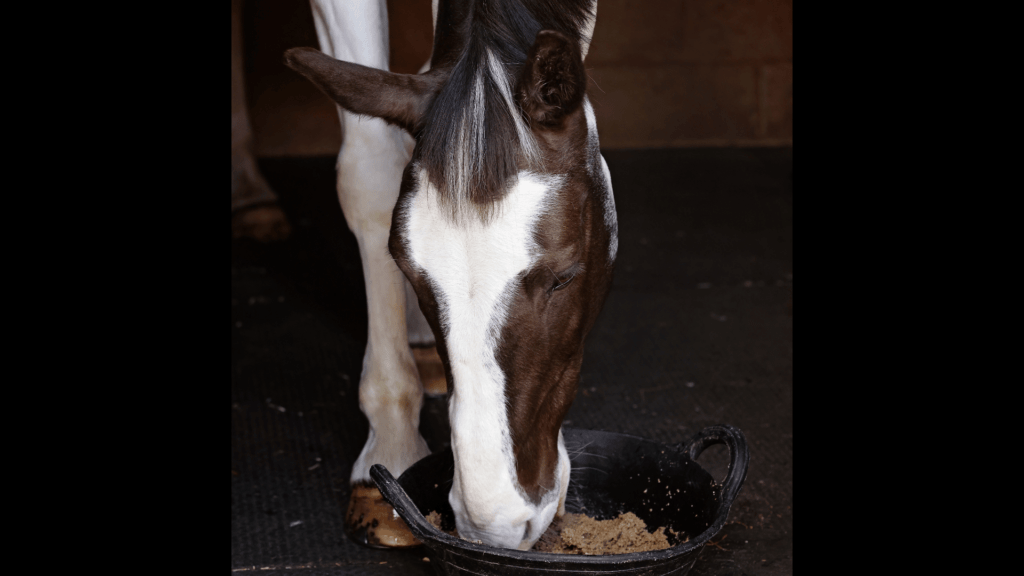
SPILLERS Tips for Feeding Electrolytes Safely
- Ideally, introduce and remove electrolytes gradually.
- If your horse drinks or urinates excessively after adding electrolytes, reduce the amount given by half and consult a nutrition specialist.
- Electrolyte supplements can reduce feed or water palatability for some fussier horses; try using a tasty mash to mask the taste.
- Avoid concentrated electrolyte pastes for horses prone to gastric ulcers. In one study, multiple hypertonic electrolyte pastes were seen to significantly increase the number and severity of gastric ulcers.
- We do not recommend using electrolyte pastes/ syringes in dehydrated horses.
Year-Round Hydration
While hot weather and increased sweating highlights hydration issues, don’t forget it’s importance in winter too. Horses tend to drink less in cold months, especially when eating dry hay rather than fresh pasture, increasing the risk of dehydration and in turn colic. Keeping fresh water available and encouraging intake through warmed water and utilising mashes is useful all year-round. A well-hydrated horse is likely to maintain a healthier digestive system and perform at their best regardless of season.
Take Home Message
Hydration is a fundamental part of good equine health. By keeping fresh, clean water always available, feeding electrolytes as needed, providing shade, and managing your horse’s environment carefully, you’ll help them stay healthier, more comfortable and more consistently performing at their best.
Remember, hydration isn’t just a summer priority, it’s a year-round way of keeping your horse happy and thriving. And while you’re making sure your horse drinks enough, don’t forget to hydrate yourself too! After all, happy, healthy riders make for happy, healthy horses!