Encysted small redworm are the most common worms found in UK horses today and potentially the most dangerous.
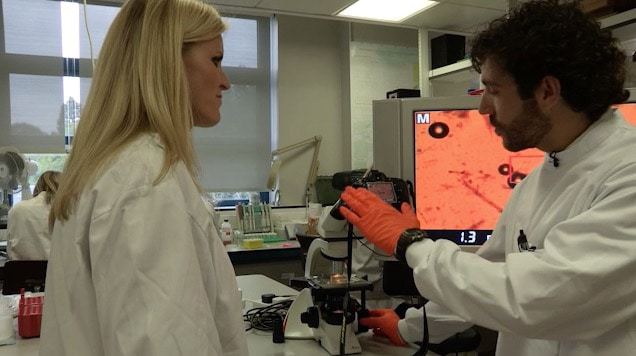
To help you take control of these lethal parasites, one of the experts on our Vet Essentials series, Ben Gaskell of Minster Vets together with Wendy Talbot vet at Zoetis, have compiled the definitive guide to tackling small redworm.
Where do small redworm live and how do they reproduce?
Small redworm live in the horse’s large intestine. Adults lay eggs which are then passed in the horse’s faeces. The eggs hatch on pasture and develop into larval stages before being eaten by the horse as it grazes. As part of the lifecycle small redworm larvae burrow into the wall of the horse’s gut where they develop and emerge to become egg-laying adults and the cycle starts again. Typically over the autumn/winter these larvae will hibernate in the gut lining instead of developing into adults. They are then known as ‘encysted small redworm’.

How do I know if my horse has small redworm?
The simple answer is you may not know. While adult small redworm produce eggs that may show up in a faecal worm egg count (FWEC) encysted small redworm will not. This is why it’s imperative to use a wormer licensed to treat for encysted small redworm at least once a year regardless of the faecal worm egg count usually in the late autumn/winter.
A burden of adult small redworm might cause obvious symptoms such as diarrhoea weight loss and colic. Sometimes the only symptoms are that the horse looks a ‘bit poor’ and sometimes the horse may even look in good health.
The encysted stages are more dangerous. Severe infestations of encysted larvae can lead to a distinct disease syndrome known as ‘larval cyathostominosis’. This is due to the sudden ‘waking up’ and emergence of the hibernating larvae causing damage to the gut wall. Symptoms include rapid onset of severe watery diarrhoea dramatic weight loss and colic; the condition has a 50% mortality rate. Typically this occurs in late winter/early spring especially in young horses.
So how can I keep my horse free from these dangerous parasites?
Faecal worm egg counts will not show the presence of the encysted stage of the small redworm but using them every six to eight weeks during the grazing season (early Spring to late Autumn) is a good way to identify any horses or ponies shedding large amounts of small redworm eggs onto the pasture. If the result is over a certain level (typically 200 eggs per gram) it may indicate that the horse has a worm burden needing treatment and that it is contaminating the pasture excessively. Worming such horses will reduce overall worm numbers and control the risk of re-infection and disease and the development of the more dangerous encysted larval stages.
Specific treatment for the encysted small redworm larvae in the late autumn or early winter is vitally important whether or not the horse has symptoms of disease to avoid the risk of larval cyathostominosis. Even if a horse or pony has shown a negative or low FWEC it could still be harbouring several million of these ‘hidden’ larvae and therefore treatment is essential to avoid the risk of this disease.
Wendy Talbot vet at Zoetis said: “As vets we see the devastating consequences of encysted small redworm every year. A combination of good management and the correct worming regime can greatly reduce the risk and help to keep your horse healthy.”
Which wormer should I use?
The only way to treat for encysted small redworm is by using a product licensed for this parasite. There are only two active ingredients licensed for this purpose: a single dose of moxidectin or a five-day course of fenbendazole. Due to widespread resistance in small redworm to fenbendazole it is advisable that your vet first performs a resistance test prior to administration of this active for encysted small redworm. If horses are at high risk of larval cyathostominosis (such as those with unknown or poor worming history those exposed to over-grazing and poor pasture management those with compromised immunity such as youngsters or veterans or because the weather has been unseasonably mild over winter resulting in higher spring pasture burdens than usual) they may require re-treating in the late winter/early spring.
What else can I do to keep my horse safe from encysted small redworm?
Keep your fields clean
Clean grazing reduces overall worm burdens and reduces the need for excessive use of wormers. Poo pick regularly during the grazing season – ideally every day. If this isn’t viable consider smaller paddock sizes so that each field can be alternately grazed harrowed and rested. Cross-grazing with sheep and cattle is also effective at reducing horse parasite burdens on the pasture as they will ‘hoover up’ the worms without being affected.
Weigh before you worm
It’s easy it is to under-estimate the weight of our horses and under-dosing can cause resistance to occur reducing the effectiveness of the wormer. Ideally you should weigh your horse at least once a year using the accuracy of a weighbridge – several feed manufacturers offer a portable weighbridge service. Weigh tapes although less accurate are a great way to keep tabs on weight once you have the accuracy of the weighbridge weight to refer to and have factored in any discrepancies. Remember that many horses will change in weight throughout the year.
“Resistance is when a drug doesn’t work as well as it did against a population of worms as it did when it was first used ” explains Professor Jacqui Matthews. “Once resistance is there it is there forever as far as we can tell. With no new products coming on the market we have really got to maintain the effects of compounds we have as much as we can by using more targeted programmes and more responsible use of the products themselves.”
Top tips
“Remember you are not looking for completely worm free horses. What you are looking for is to try and control the level of worms that they have – both in the horses and on the pasture to make sure they stay healthy and free of worm-related disease.”
Ben Gaskell, Minster Vets
“When you are considering worming your horse or buying your wormer from your vet SQP or veterinary pharmacist ask them and ask yourself: does my horse need worming and if so why and do I know if this particular dewormer is going to work?”
Professor Jacqui Matthews, Moredun Research Institute
“Apart from faecal worm egg counts you should remember that good management is very important including low number of horses in paddocks and regular poo picking.”
Dr Thomas Tzelos, Moredun Research Institute
Targeted treatments:
Every two-three months throughout the grazing season carry out faecal worm egg counts and then treat for strongyles as required
Once or twice per year:
Administer a tapeworm treatment or consult your vet about testing
Strategic treatments for all horses:
Encysted small redworm – November/December (can be combined with a treatment for bots)
Visit www.esrw.co.uk to test your knowledge of encysted small redworm and speak to your vet or SQP about responsible worm control. To find out more about year-round worm control visit www.wormingyourhorse.info. You can also download Stable Mate the horse health management App from Zoetis. It is available from the iPhone App Store and Google Play Store: text Stable Mate to 80800 to download.
Vet Essentials: Worming is brought to you in association with Zoetis.