If you’re a passionate rider, owning a horse is no doubt a dream of yours. But before making the commitment, it’s important to evaluate your budget and consider whether you can manage the cost of owning a horse. While the initial purchase price may seem like the main factor to take into account, the ongoing costs are by far the largest expense. In fact, these ongoing costs — such as feed, stabling, and healthcare — can easily add up to the purchase price of the horse within just a couple of months.
So, just how much do horses cost to take care of in the UK? In this guide, we’ll provide you with a detailed breakdown of the costs involved, including initial purchase costs and ongoing costs, to help you decide whether being a horse owner is in your budget.
- How much does a horse cost to buy?
- The essential costs of owning a horse
- The optional costs of owning a horse
How much does a horse cost to buy?
The ongoing costs are the most significant ones to consider when buying a horse, but you should also make sure you have enough in your budget to make the initial purchase. How much a horse costs varies vastly depending on several factors, including age, health conditions, breed, and current training level, to name just a few. However, on average you can expect to spend up to £30,000 for a horse with competition experience or less for a horse that is suitable for leisure activity only. There is also the option of adopting a rescue horse, which usually comes with an adoption fee of less than £500. However, bear in mind that rescue horses may have higher maintenance costs, and are usually not the best option for first-time horse owners or those looking for a competition horse.
Remember, it isn’t just the cost of the animal itself you need to account for when buying a horse. There are other costs associated with the purchase process too, including the cost of vetting your horse (which varies from around £75 to £400 depending on the vetting stage you opt for) and potentially the cost of hiring a solicitor if you plan on putting a sales agreement together. You can find out more about the buying process in our guide to buying a horse. You should also check out our blog post on horse buying and selling rights to make sure you get a fair (and most importantly legal) deal.
The essential costs of owning a horse
When calculating how much it costs to own a horse, the essentials are the most important budget considerations. There are a number of essential costs involved in owning a horse to take into account, ranging from small expenses to larger costs, which will take up a significant chunk of your horse care budget.
Cost of stabling a horse in the UK
One of the horse care costs which can vary the most is the stabling costs. The amount you pay ranges vastly depending on whether you can keep the horse on land you own, or whether you need to pay for livery, as well as whether you opt for a grass livery or a stabled livery. Here is a list of the most common types of livery and their average monthly fees to give you an estimate of how much it costs to stable a horse in the UK. Bear in mind that prices may vary depending on where you live.
- Grass livery: Horses stay outside in a field and owners do all the horse care. Cost: £80 – £105 per month.
- Stabled DIY livery: Horses have stables and owners do all the horse care. Cost: £120 – £300 per month.
- Part livery: Owners share care responsibilities with the livery staff. Prices vary vastly depending on the split of the care responsibilities, but costs tend to range from £300 – £600 per month.
- Full livery: Horses receive comprehensive onsite care, including feeding, mucking out, and exercise. Costs: £400 – £800 per month.
- Competition/schooling livery: A livery designed specifically for competition horses, or for training horses, usually includes all the services of a full livery plus riding and training. Cost: £800 – £1,200 per month.
If you already have a stable on your own land, the good news is that you won’t need to account for these fees. But bear in mind that horses are herd animals and need equine company to thrive, so you may find yourself buying more than one horse!. If you have the land but don’t currently have a stable, the average cost ranges from £1,125 for a one-bay to £2,280 for a two-bay (Checkatrade).
Cost of feeding a horse
The cost of keeping a horse fed largely depends on whether the horse is turned out or not. For stabled horses, you can expect to pay around £50 a month for hay, plus the cost of any supplements, treats, or specialist feed your horse may require.
Horses who are turned out for most of the year require less feed, although they will need some in the winter months when grass is scarce. You should budget around £50 in the winter months, but little to nothing in the summer (excluding the cost of any nutritional add-ons). Of course, keep in mind that feed costs can vary depending on the size of your horse and how active they are. To find out more about different types of feed and horse diets, check out our guide on what horses eat.
Horse bedding cost
If your horse is stabled, you need to make a little room in the budget for their bedding costs. This should come in at around £40 to £60 per month, depending on the type you choose. Straw is the cheapest option, but investing in rubber stable mats and combining this with shavings can help you save money in the long run. You can figure out how many mats you need by using this stable mat calculator.
Average cost of horse insurance in the UK
The cost of horse insurance can vary considerably depending on factors such as your horse’s age, health, breed, level of cover and how you choose to pay.
The Insurance Emporium data from January to March 2026 found that the average premium across all payment frequencies was £742.08 for junior horses. For veteran horses, the average was £274.18 (although this figure is based on a small sample and should therefore be treated with caution).
When comparing policies, it’s important to look beyond the headline price and consider the cover included, policy limits and any exclusions. Make sure to read our guide to horse insurance before choosing your cover.
Vet and other healthcare costs
To keep your horse in top condition, it’s important to invest in their health — and one of the best ways to do this is with the help and advice from a trusted equine vet. A good insurance policy can cover the cost of big vet bills, and sometimes even vet visits depending on the level you choose. You can expect to pay around £50 to £80 call-out charge for a vet to visit in working hours, and more for out-of-hours visits, plus the cost of any necessary treatment. Even if you have comprehensive insurance, it’s also best to have some money set aside in case of healthcare emergencies. Aim to have at least £500 set aside, but ideally more as unexpected vet bills can be very costly.
Aside from vet checkups and emergency treatments, you should budget for necessary vaccinations, such as flu and tetanus shots, which also usually cost between £30 to £50 per vaccination. Worming treatment is another important healthcare cost, with annual worming packs coming in at around £50 to £70.
Horses can be prone to dental problems, so regular dental checkups should be factored into your horse care budget. You should ideally schedule two check-ups a year to keep on top of any issues and prevent your horse from requiring more extensive treatment. With check-ups usually costing between £50 and £90 per horse, you should budget around £100 to £180 per horse annually.
Want an example of just how important vets are to our horses’ health? Check out our Vet Essentials series to find out all about some of the most common equine health issues, with expert insight and advice from top vets.
Farrier costs
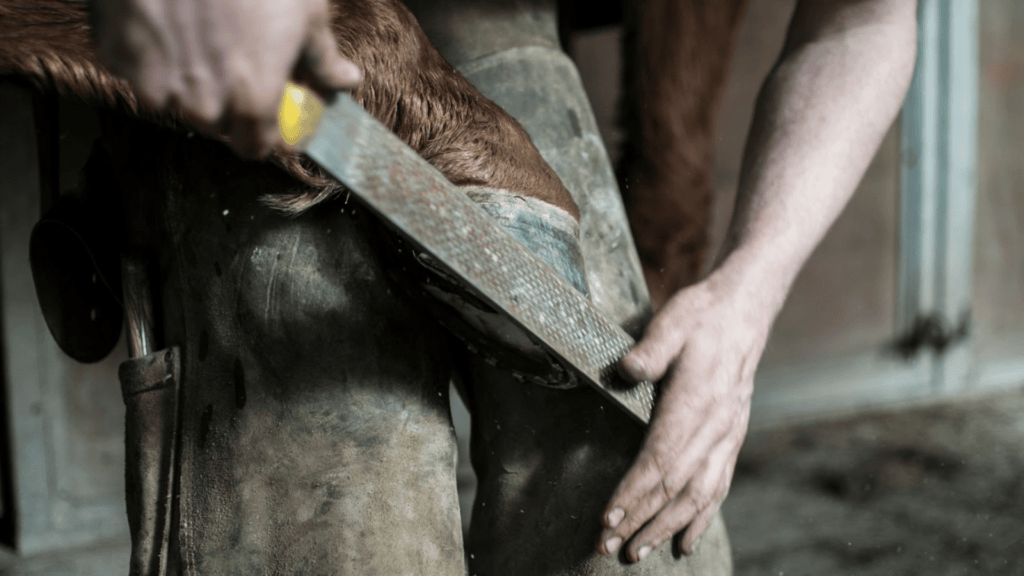
Horses need to receive regular hoof care, not just for their mobility and performance but overall quality of life. The two most important aspects of hoof care are trimming and shoeing. Both should be done at least every six weeks, but you may need to up it to every four weeks if your horse is particularly active. Hoof trimming costs around £25 to £50 per session, while shoeing costs around £60 to £100 per session.
If your horse has hoof issues, they will likely require a more complex hoof care routine. One additional cost you may need to factor in is orthopaedic horseshoes. These usually cost upwards of £150 per set.
Want to learn more about how to take care of your horses’ hooves? Give our horse hoof care guide a read to learn all about hoof anatomy and how to clean them. You may also want to check out Back to Basics: Shoeing & Hoof Care with NAF.
Equipment cost
There are various pieces of equipment you’ll need for your horse, from riding essentials to rugs for keeping your horse warm in the winter months. Here is a breakdown of the prices you can expect to pay for new equipment:
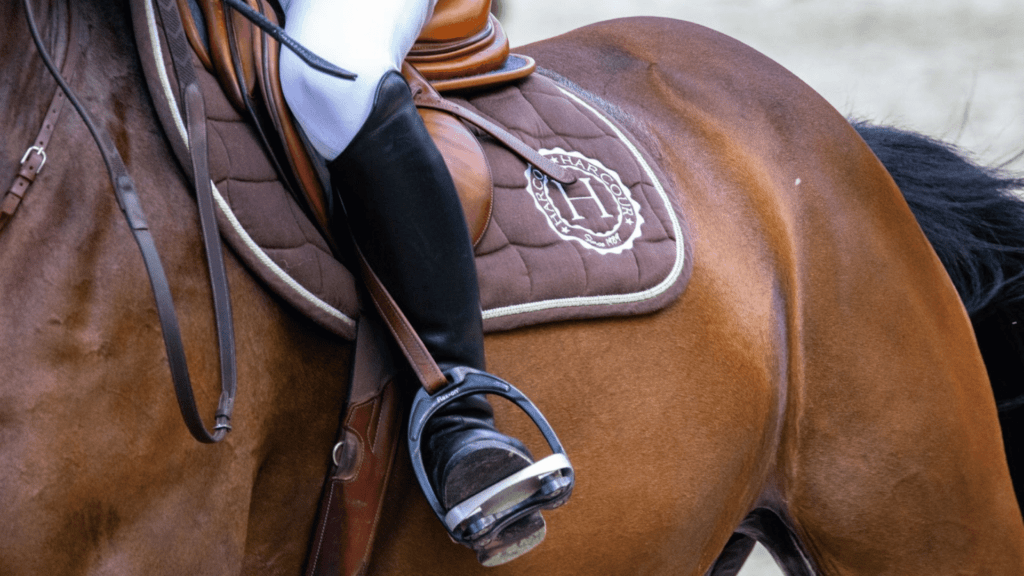
- Saddles: Saddle costs vary depending on material and general quality. Prices range from £200 for basic synthetic saddles, up to £2,000+ for premium saddles. For leather saddles, you can expect to pay between £600 and £800 as a starting point. Find out more about this essential piece of horse equipment with our beginner’s guide to saddles.
- Bridles: Bridles are cheaper than saddles, with prices ranging from around £25 to £300, depending on quality and type. Want to find out more? Give our guide on horse bridle types a read.
- Saddle pads: Saddle pads range from around £15 to £85, depending on type.
- Horse rugs: Horse rugs (also known as horse blankets) cost between £30 to £200, depending on factors such as quality, material, and whether they are turnout or stable rugs. You can find out more about the different types available with our horse rugging guide.
- Stirrup leathers and irons: The cost of stirrup leathers typically ranges from £20 to £100, while stirrup irons range from £25 to £185.
- Girths: Girths are available in various materials and styles to suit different horses and saddles. A girth can cost between around £30 and £250, depending on the material and design.
If you’re looking to cut costs, going second hand could be a good option. This way you can get some great quality equipment for a much smaller price tag. Sometimes you can even find pieces that have just been used a few times so they are good as new. If you do shop for second-hand equipment, make sure to do so from a reputable buyer. Buying used equipment online gives you more options to choose from, but bear in mind that you won’t be able to inspect the equipment yourself, so you may prefer to shop in person instead.
Don’t forget, you’ll need to factor your own riding outfit into the budget too, including a riding hat, jodhpurs or breeches, riding boots, and some waterproof layers.
Miscellaneous horse care costs
The prices listed above are the main essential costs of owning a horse, but there are various other miscellaneous fees to take into account. These range from larger unexpected costs, such as stable or fence damage, to smaller essentials, like fly spray, first aid kits, grooming essentials, and horse supplements. It’s a good idea to set aside a little extra in your budget for these expenses — ideally around £100 per month.
The optional costs of owning a horse
The essential costs of keeping a horse are the most important ones to consider, but you may need to budget for some additional costs depending on what you plan on doing with your horse. Here, we’ve rounded up a list of some of the most common optional costs you may want to add.
How much does horse transport cost?
There are some occasions when you may need to transport your horse, whether this is for competitions, training, or you’re relocating. There are various methods of horse transportation to choose from depending on your needs and budget.
If you don’t transport your horse often, renting a horse box or hiring a professional horse transporter will likely be the best option. Professional horse transporters usually charge by the mile, with prices ranging from £1.00 and £1.50 per mile. They also usually charge a minimum fee for their service. Renting a horse box to tow yourself will set you back between £100 and £250 per day.
If you travel with your horse often, it may be more economical to get a horsebox or trailer of your own. But bear in mind that this is a significant investment: costs start around £5,000 for a basic trailer and go all the way up to £40,000 for high-end horseboxes with living quarters.
How much do horse riding lessons cost?
Whether you’re a complete beginner or you want to hone your skills, horse riding lessons are a great way to spend time with your horse and make the most of being a horse owner. Your horse riding lessons costs will vary depending on various factors, including skill level, the location of the lessons, and whether you opt for group or private lessons. The average cost of horse riding lessons depending on type are:
- Private lessons: £30 to £80 per hour-long lesson.
- Group lessons: £20 to £50 per hour-long lesson.
If you plan on having regular sessions, you can often reduce the cost of horse riding lessons by opting for package deals. You should also bear in mind that specialist training in disciplines such as dressage, showjumping, or eventing, will usually be more expensive.
How much do competitions cost?
If you’re a passionate equestrian, one optional cost of owning a horse you may want to consider is the cost of competitions. There are various fees to budget for here, including:
- Entry fees: Competition entrance fees can vary based on the level and popularity of the event. On average, you can expect to spend between £20 and £200, although some prestigious national competitions may charge upwards of £400.
- Stabling fees: For multi-day events, you will need to budget for temporary stabling, with fees ranging from £40 to £120 per night.
- Trainer fees: Many competitors hire a trainer for on-site coaching, which can cost between £40 to £150 per session, depending on their level of expertise.
- Membership fees: Riders competing at an affiliated level (e.g., British Dressage, British Eventing, or British Showjumping) must pay annual membership fees, which range from £50 to £150 per year, plus additional horse registrations.
- Travel costs: When transporting your horse to competitions, you will need to take into account fuel expenses, accommodation for the rider, and other travel-related costs.
The cost of owning a horse in the UK varies greatly depending on factors such as livery, diet, and healthcare needs. While some expenses are predictable, emergencies can arise, making it essential to have a financial buffer. Horse ownership requires long-term commitment and careful financial planning. By understanding these costs in detail, prospective owners can ensure their horse receives the best care while managing expenses effectively.
After reading this guide, you should have a good idea of the average cost of keeping a horse. Use the information above to set your budget accordingly, and make sure to keep an eye out for money-saving hacks, like shopping second hand and bulk buying.
Want more practical advice on owning a horse? Make sure to check out our training tutorials and advice and how-to guides. We also have a fantastic choice of documentaries, plus live event coverage of some of the most popular competitions. Subscribe to our service today to enjoy everything Horse & Country has to offer.